

How to Get the Most from Virtual Interviews
After years of interviewing people both in person and virtually, I’ve learned that the best interviews rarely feel like interviews at all. They feel like honest human conversations.
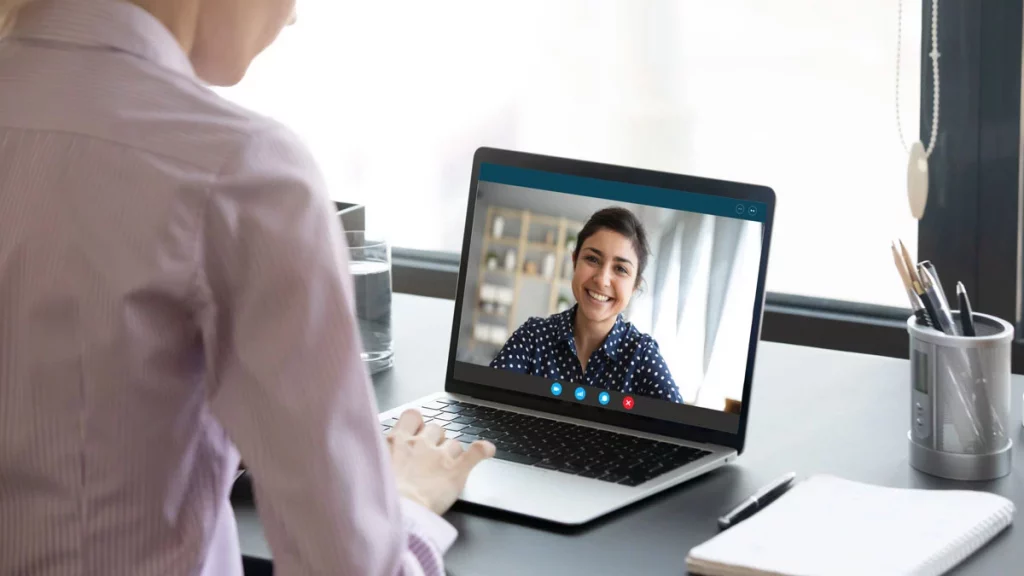
When virtual interviews first became common, many of us treated them as a digital stand-in for in-person meetings. Over time, I realized they are more than that. They represent an evolution in how we connect with candidates and assess potential. Virtual and hybrid formats have challenged me to be more intentional about how I listen, build rapport, and identify the qualities that predict success.
The screen does not block connection. It simply requires us to be more thoughtful about creating it.
Rethinking the Interview Experience
In my early virtual interviews, I focused on what I could see: the candidate’s setup, lighting, or background noise. But those surface details say little about who someone really is. What matters most is what I can sense through conversation. It is about how a person thinks, makes decisions, and relates to others.
A great interview is not about perfection; it is about presence. When we approach interviews as a partnership rather than an evaluation, candidates feel more comfortable being authentic. That authenticity leads to richer insights and better hiring decisions.

Creating Connection Through the Screen
Building genuine connection virtually requires intention and empathy. I start every conversation by setting a welcoming tone and explaining how we will use our time together. This small step helps candidates relax and focus on sharing instead of performing.
Throughout the discussion, I pay attention to the person’s natural energy and adjust my own communication style accordingly. If they are reflective, I allow space for thought. If they are expressive, I respond with enthusiasm. It is not about mimicry but about balance.
Perhaps the most powerful skill in any interview, virtual or otherwise, is listening beyond the words. When you listen fully, you hear more than rehearsed answers. You learn how someone approaches challenges, reflects on growth, and interacts with others. You can sense collaboration, humility, and curiosity. These are the qualities that often predict long-term success far better than technical expertise alone.
Professionalism Redefined
Over time, I have redefined what professionalism means in a virtual setting. It is not about perfect backgrounds or flawless technology. It is about respect: for the candidate’s time, for the process, and for the conversation itself.
I do not mind if someone’s child or pet makes a brief appearance. What interests me is how they respond to those moments. Do they stay composed and kind? Do they show humor or self-awareness? Those reactions reveal adaptability and emotional intelligence, which are invaluable in any workplace.
As interviewers, we have a responsibility to model that same respect. Turning off distractions, being fully engaged, and following up promptly show that we value the candidate. This type of professionalism builds trust, which is the foundation of any strong hiring relationship.
The Thoughtful Interviewer’s Advantage
Here is something I have learned that not everyone realizes: the quality of an interview reflects the interviewer’s curiosity, not their control.
When I let genuine curiosity guide my questions, candidates open up. They move beyond practiced talking points and share the experiences that shaped them. They tell stories about how they handled a conflict, took a risk, or learned from a failure. Those stories reveal true character and potential.
Curiosity also helps identify great hires who may not fit every line of a job description but bring the right mindset and approach to growth. Some of the best people I have hired were not the most obvious choices on paper. What they did have was the willingness to learn, collaborate, and adapt.
Balancing Technology with Humanity
Technology has made hiring more efficient, but it has not replaced human intuition. Artificial intelligence can summarize resumes and automate scheduling, but it cannot sense sincerity or self-awareness.
Virtual interviews give us the chance to combine both. We can use technology to simplify the process while relying on intuition to read the nuances of communication: how someone receives feedback, collaborates under pressure, or describes their relationships with coworkers. Those human cues tell us the most about future performance.
The most effective interviewers balance structure with empathy. They use technology as a tool, not a replacement for connection. Hiring is not about data alone; it is about understanding people well enough to make good, lasting decisions.

Final Thoughts
Virtual and hybrid interviews are here to stay, and that is a positive change. They have made hiring more flexible, more inclusive, and, when done thoughtfully, more insightful.
For hiring managers and recruiters, this shift is an opportunity to elevate how we connect with talent. When we treat interviews as conversations that build understanding, rather than evaluations that simply fill roles, we make better hires and strengthen our organizations.
The best interviews remind us that even through a screen, connection is possible. When we listen deeply and lead with curiosity, we discover more than qualifications. We uncover the people who will help shape the future of our companies.
FAQs
How can hiring managers make virtual interviews more effective?
Hiring managers can make virtual interviews more effective by approaching them as conversations rather than evaluations. Setting a clear, welcoming tone and actively listening helps candidates feel comfortable and share more authentic insights. Over time, I have found that intention and presence matter far more than perfect technology.
What skills are most important to assess during virtual interviews?
The most important skills to assess are communication, adaptability, emotional intelligence, and curiosity. While technical abilities matter, how a candidate thinks, responds, and collaborates often reveals more about long-term success. Virtual interviews create space to observe these qualities through conversation.
How has professionalism changed in virtual interviews?
Professionalism in virtual interviews is now defined more by respect than by appearance or environment. Being present, engaged, and considerate of the candidate’s experience signals strong leadership. Small moments, including how interruptions are handled, can reveal composure and self-awareness.
Can virtual interviews provide the same level of insight as in-person interviews?
Yes, virtual interviews can provide equal, and sometimes deeper, insight when conducted thoughtfully. They encourage more intentional listening and communication, which helps uncover how candidates think and interact. As I have seen across many organizations, connection is not limited by the screen, it is shaped by how we engage.

Veanne Smith
CEO & Co-Founder
Veanne Smith serves as the CEO and co-founder of SOLTECH – Atlanta’s premier software development, technology consulting and IT staffing firm.
Prior to founding SOLTECH, Veanne spent more than 10 years in the technology industry, where she leveraged her software development and project management skills to attain executive leadership responsibilities for a growing national technology consulting firm. She is passionate about building mutually beneficial long-term relationships, growing businesses, and helping people achieve their personal life goals via rewarding employment opportunities.
Outside of SOLTECH, Veanne is considered a thought leader in Atlanta’s IT community. Currently, she serves on the Advisory Board for The College of Computing and Software Engineering at Kennesaw State University. In addition, Veanne helped launch the AxIO Advisory Council, has been a member of Vistage for 20 years, and created Atlanta Business Impact Radio – a podcast that showcases some of Atlanta’s most innovative businesses and technology professionals.
As an influential figure in the technology and IT staffing industry, Veanne consistently produces insightful articles that address both the opportunities and challenges in IT staffing. Through her writing, she offers valuable tips and advice to businesses seeking to hire technical talent, as well as individuals searching for new opportunities.
She holds a degree in Computer Science from Illinois State University.
Recent Posts
Search