
If You’re a Software Engineer in 2026, This is Your Wake-Up Call
What Does It Mean to Be a Software Engineer in 2026?
Being a software engineer in 2026 looks very different than it did just a few years ago.
AI has fundamentally changed how software is built. The ability to write code is no longer the primary differentiator. What matters now is how you think, how you make decisions, and how you contribute to real business outcomes.
The future of software engineering will not be defined by those who produce the most code, but by those who apply judgment, navigate complexity, and take ownership of results. AI is accelerating the work, but it is also raising the bar for what it means to be truly valuable.
Why Is Technology No Longer the Differentiator?
There’s a hard truth emerging in software engineering right now: Technology is no longer a differentiator.
- Everyone has it.
- Everyone has access to AI.
- Everyone can build, especially with the rise of AI in software development.
So, the question is no longer “Can you code?” The question is:
- “Can you think?”
- “Can you lead?”
- “Can you be trusted?”
Because in the age of AI, what companies need most is not more technology.
They need humans.
AI Didn’t Replace You, It Exposed You
AI has dramatically lowered the barrier to building software.
Codes can be generated. Patterns can be replicated. Entire features can be scaffolded in minutes.
That’s not a threat; it’s a shift in the future of software engineering.
But here’s what it exposes:
If your value was primarily in producing code, you are now competing with a tool.
And tools don’t get tired. They don’t slow down. They don’t ask for raises.
So where does that leave you? It leaves you needing to bring something AI cannot.
What Will Differentiate Engineers Moving Forward?
We talk a lot about artificial intelligence.
What’s now becoming clear is that the most valuable software engineers will be those with Human Intelligence.
That includes:
- Judgment
- Context awareness
- Ownership
- Communication
- Curiosity
- Ethics
- Leadership
AI can generate an answer.
It cannot decide if the answer is right for the business.
AI can write code.
It cannot own the outcome of that code in production.
AI can respond to prompts.
It cannot ask the right questions in the first place.
That’s your job now.
If You’re Not Paying Attention, You Will Fall Behind, Faster Than You Think
This isn’t subtle.
The engineers who are leaning into this shift are accelerating fast.
The ones who aren’t are falling behind quickly.
Because the gap is no longer about who knows more syntax or frameworks.
It’s about:
• Who can frame problems better
• Who can think through ambiguity
• Who can guide AI instead of being replaced by it
• Who can connect technical decisions to business outcomes
If you’re still operating like it’s 2020, focused only on tickets, code output, and technical depth without context, you are at risk of being left behind.
Your Job Is No Longer to Write Code, It’s to Steer
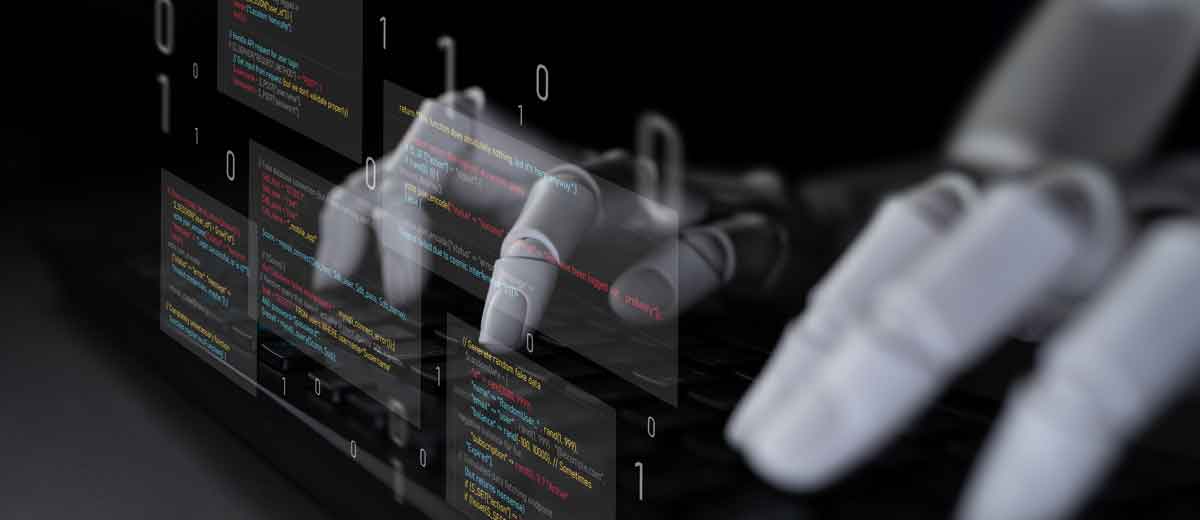
In this new environment, software engineers are becoming navigators. AI is the engine. But someone still has to steer.
That means:
You Define the Problem
Bad input still leads to bad output, faster.
If you can’t clearly define what needs to be solved, AI will just help you fail faster.
You Make Tradeoff Decisions
AI doesn’t understand your business priorities, constraints, or long-term implications.
You do, or you should.
You Own the System
AI can generate components.
You are responsible for how everything works together over time.
You Decide When Not to Use AI
This is underrated.
Knowing when AI introduces risk, errors, or unnecessary complexity is just as important as knowing when it accelerates you.
What Will Actually Make an Engineer In-Demand?
If you want to stay relevant, and more importantly, valuable as a software engineer in 2026, here’s what matters now:
Systems Thinking
Can you see beyond the code you’re writing?
Do you understand how it impacts performance, scalability, security, and other systems?
Because more code is being created faster than ever.
That makes thinking about the system more important, not less.
Communication
Can you explain your decisions?
Can you translate technical tradeoffs into business impact?
The engineers who rise are the ones who create clarity, not just code.
Curiosity
Are you asking better questions?
AI rewards good prompts.
Great software engineers go deeper than prompts; they challenge assumptions.
Adaptability
The tools will keep changing.
The environment will keep shifting.
If you need stability to perform, this era will be uncomfortable.
If you can evolve quickly, this era will be your advantage.
Ownership
This is the big one.
When AI generates something, who is accountable?
You are.
The engineers who stand out are the ones who don’t hide behind the tools; they take responsibility for outcomes.
Stop Competing on What AI Can Do
This is where many engineers get it wrong.
They try to compete with AI on speed.
On output.
On technical execution.
That’s a losing game.
Instead, compete on:
• Insight
• Judgment
• Context
• Leadership
• Trust
Because when everything else is equal, and increasingly it is, companies choose the engineers they trust.
Final Thought, This Is an Opportunity, If You Take It Seriously
This shift isn’t bad news.
It’s a massive opportunity.
Because while AI has made building software more accessible, it has made great engineers more visible.
The gap between average and exceptional is widening.
And the ones who embrace Human Intelligence, who think, adapt, communicate, and lead,
are becoming exponentially more valuable in the future of software engineering.
So, here’s the real question:
Are you just using AI, or are you evolving because of it?
Because the future doesn’t belong to the engineers who can build.
It belongs to the engineers who can think.
FAQs
What does it mean to be a software engineer in 2026?
Being a software engineer in 2026 means going beyond coding to focus on problem-solving and decision-making. Engineers are expected to guide AI tools, apply judgment, and connect their work to business outcomes. The role is more strategic and human-centered than ever before.
How is AI in software development changing engineering careers?
AI in software development is accelerating how quickly code can be produced, but it is also increasing expectations. Engineers must validate outputs, define problems clearly, and ensure long-term system performance. This shift makes human skills like communication and ownership more valuable.
What skills are most important in the future of software engineering?
The future of software engineering prioritizes systems thinking, communication, adaptability, and curiosity. Technical skills still matter, but they are no longer the sole differentiator. Engineers who can provide context and clarity will stand out.
Will AI replace software engineers?
AI will not replace software engineers, but it will change what makes them valuable. Engineers who rely only on coding may struggle, while those who develop leadership, judgment, and problem-solving skills will thrive. AI is a tool, not a replacement for human responsibility.

Veanne Smith
CEO & Co-Founder
Veanne Smith serves as the CEO and co-founder of SOLTECH – Atlanta’s premier software development, technology consulting and IT staffing firm.
Prior to founding SOLTECH, Veanne spent more than 10 years in the technology industry, where she leveraged her software development and project management skills to attain executive leadership responsibilities for a growing national technology consulting firm. She is passionate about building mutually beneficial long-term relationships, growing businesses, and helping people achieve their personal life goals via rewarding employment opportunities.
Outside of SOLTECH, Veanne is considered a thought leader in Atlanta’s IT community. Currently, she serves on the Advisory Board for The College of Computing and Software Engineering at Kennesaw State University. In addition, Veanne helped launch the AxIO Advisory Council, has been a member of Vistage for 20 years, and created Atlanta Business Impact Radio – a podcast that showcases some of Atlanta’s most innovative businesses and technology professionals.
As an influential figure in the technology and IT staffing industry, Veanne consistently produces insightful articles that address both the opportunities and challenges in IT staffing. Through her writing, she offers valuable tips and advice to businesses seeking to hire technical talent, as well as individuals searching for new opportunities.
She holds a degree in Computer Science from Illinois State University.
Recent Posts
Search